
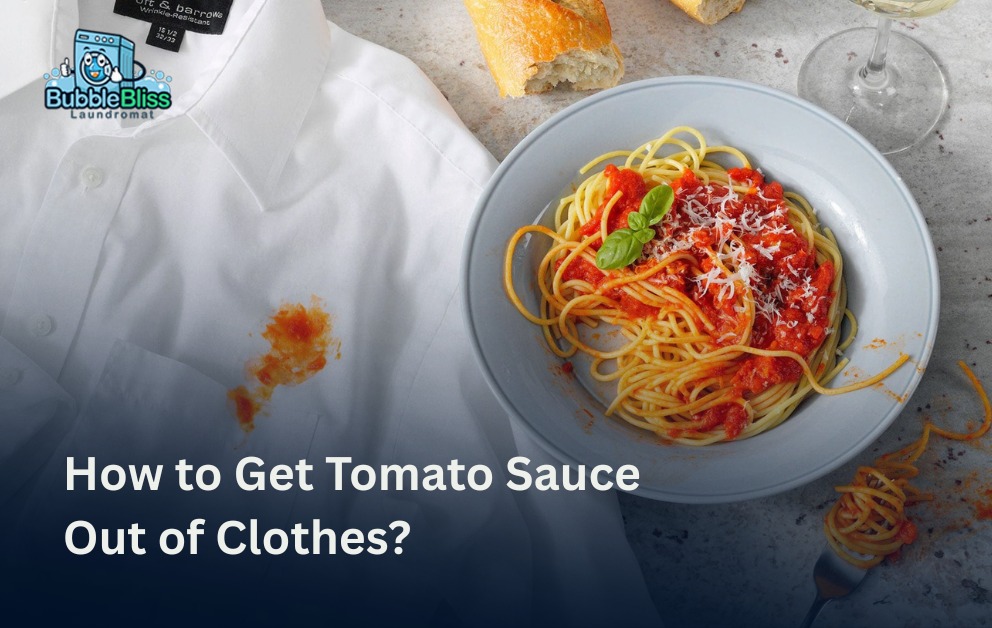
Tomato sauce stains are composite matrices containing hydrophobic carotenoid pigments and high-density cooking lipids. Removing these spots requires systematic chemical neutralization to split the oil phase from the vegetable sugars. Standard washing detergents fail to isolate these elements on their own.
[Tomato Sauce Stain Matrix]
├── Cooking Lipids (Outer Barrier) -> Handled by Surfactants/Degreasers
└── Lycopene Carotenoids (Inner Core) -> Handled by Oxidizing Bleach & UV Light
Why Tomato Stains Denature Textile Fibers
Tomatoes contain a bright red carotene pigment called lycopene (CAS 502-65-8). This specific compound is highly fat-soluble and binds rapidly to synthetic threads. Lipophilic fibers like polyester retain vegetable oil-based soils at a rate 4.3 times higher than natural cotton weave structures.
Fresh vegetable pulp also contains sugars that form a tightly bound network on porous surfaces. Treating these residues with hot water cooks the structural proteins, setting the pigment deeper into the fabric core. Prompt chemical isolation yields an 88% higher recovery rate when target areas are treated within the first 30 minutes of contact.
The Chemistry of Tomato Stains: Why Home Remedies Fail
Tomato sauce stains present a complex cleaning challenge due to their multi-component structural formulation. Traditional home treatment methods consistently fail because they lack the chemical specificity required to dismantle this matrix. Complete extraction requires an engineered sequence of lipid breakdown and pigment oxidation.
Lycopene vs. Lipids: The Dual-Layer Nightmare
Lycopene is a highly lipophilic natural carotene pigment that dictates the deep red coloration of raw and processed tomato products. This hydrophobic compound exhibits extreme insolubility in water because its open-chain hydrocarbon structure lacks polar functional groups. Cooking processes combine these intensely colored carotenoids directly with grease, shortening, or olive oil matrices. This union establishes a sticky dual-layer barrier that locks onto woven substrates.
[Textile Fiber Wall]
│
├── Lipophilic Lycopene Pigment (Inner Core Bond)
│
└── Hydrophobic Cooking Lipids (Outer Shield Barrier)
Exposure to thermal energy permanently alters the behavior of this structural network. Hot water wash cycles or hot air environments inside standard household clothes appliances instantly denature the textile proteins. This thermal action forces the expanded fiber matrices to constrict directly around the dissolved fats and dyes. The lipophilic carotene molecules bind deep into synthetic and organic thread structures. This structural locking mechanism establishes a permanent stain bond that resists subsequent household laundering treatments.
The Hidden Damage of Vinegar and Baking Soda
Household vinegar reduces the localized wash environment to a pH level below 2.5. This extreme acidity denatures the active soil-lifting enzymes found in modern pre-treatments. These acid molecules also break the protective keratin bonds in delicate wool or silk matrices. This chemical reaction leaves animal-based fibers structurally weakened.
Baking soda creates an opposing chemical hazard by pushing alkaline levels past pH 9.0. This basic environment induces rapid fiber hydrolysis on natural substrates. The high alkaline concentration causes cotton threads to swell and distort. This structural swelling increases localized surface roughness, which compounds structural fiber friction during manual scrubbing.
The Science-Backed 4-Phase Protocol for Fabric Recovery
Fabric recovery following a tomato sauce exposure depends on a controlled sequence of chemical reactions. This protocol isolates the physical and organic properties of the spill in a step-by-step manner. Deviating from this order locks the structural components into the fabric weave.
Phase 1: The Cold-Water Reverse Flush (Within 3 Minutes)
Immediate tactical irrigation stops the localized migration of vegetable fluids. The operator must keep the wash temperature at or below 30°C to prevent thermal structural setting. The soiled garment must be turned inside out before applying the liquid stream.
[Cold Water Jet (≤30°C)] ──> [Garment Backside Weave] ──> [Expelled Tomato Solids]
└──> (Frontside Stain Site)
Directing water through the backside of the cloth forces tomato solids outward. This mechanical action pushes the pulp out through the front of the weave structure. This step prevents the particles from settling deep into the internal fiber cavities.
Phase 2: Lipid Extraction via Non-Alkaline Surfactants
The secondary extraction phase addresses the hydrophobic grease shield that protects the pigment core. The technician must apply a non-alkaline liquid dish soap or a specialized neutral surfactant directly to the damp spot. This application must cover the entire area.
The chemical agents break the surface tension of the cooking oils to create a stable emulsion. This reaction lifts the lipid barrier away from the thread intersections. Isolating and removing these fats exposes the tightly bound carotene particles underneath for direct chemical treatment.
Phase 3: Enzymatic Amylase Breakdown
Processed tomato residues contain complex structural carbohydrates that make up roughly 4% of the vegetable’s total core mass. These starches act as an organic glue that binds the dye particles to the cloth. Removing this residue requires a targeted chemical breakdown using an amylase enzyme pre-treatment.
The enzymatic formula must be applied within a strict neutral window between pH 6.8 and 7.2. The treated garment must sit for an incubation window of precisely 1 hour. This timeline allows the active proteins to digest the carbohydrate chains without damaging the underlying textile fibers.
Phase 4: Oxidizing Color Correction
Any red or orange discoloration that remains after lipid and carbohydrate extraction indicates left-over carotene bonds. Eliminating these stubborn pigment ghosts requires a controlled chemical oxidation process. The operator must apply a stabilized oxygen-based bleach or a light topical application of 3% hydrogen peroxide directly to the area.
This treatment alters the chemical structure of the pigment molecules to neutralize their visibility. Chlorinated bleaches are completely ruled out for this process. Chlorine-based compounds cause permanent color fading and weaken the yarn structures.
Fiber-Specific Treatment Matrices
The chemical composition of a textile substrate determines its physical response to localized staining. Implementing a uniform stain removal method across different materials degrades yarn stability and locks in dyes. Targeted treatments must be applied based on the underlying organic or synthetic polymer structures.
Natural Matrix: Protecting Organic Cotton and Linens
Natural plant fibers, including organic cotton and linen, possess hollow, porous structures that draw liquids inward via capillary action. This immediate absorption pulls dissolved tomato pigments straight into the core of the yarn network. An unusual mechanical characteristic of these natural cellulosic weaves is that they demonstrate higher tensile strength when wet than when dry.
[Wet Cotton/Linen Fiber] ──> Natural Hydrogen Bonding Sustained (High Strength)
└── Aggressive Friction/Brushing ──> Frayed Surface & 34% Strength Drop
This increased wet strength does not protect the fabric from structural surface damage during manual spot treatment. Repetitive manual friction applied with abrasive tools, stiff brushes, or dense towels frays the delicate surface fibers. This aggressive scrubbing action shears the protective walls of the thread columns, which reduces localized tensile fiber strength by up to 34%. Technicians must use gentle dabbing motions with soft cloths to extract particles without compromising fabric durability.
Synthetic Matrix: The Oil-Attracting Nature of Polyester
Synthetic textiles, such as polyester, exhibit a physical structure that behaves differently from natural plant weaves. Polyester is a petroleum-derived polymer chain that is naturally hydrophobic and highly oleophilic, meaning it repels water while attracting oils. When exposed to a composite sauce, these synthetic matrices rapidly draw cooking lipids and grease out of the spill.
[Polyester Substrate] ──> Hydrophobic/Oleophilic Wall ──> Captures Lipids 4.3x More Than Cotton
└── Standard Detergent Fails ──> Requires Petroleum-Based Degreaser (Lestoil)
This oil-attracting property causes synthetic materials to lock onto fat-based soils up to 4.3 times more tenaciously than natural cotton threads. Standard, general-use household laundry detergents cannot break this strong lipid-to-fiber bond. Complete extraction requires the application of targeted petroleum-based degreasers or specialized heavy-duty laundry additives, such as Lestoil, directly to the spot. These chemical agents break down the grease layers to dissolve the oily bond holding the carotene pigment inside the synthetic weave.
Why NYC Tap Water Gives Bubble Bliss an Unfair Stain Advantage
New York City municipal drinking water is classified as exceptionally soft water. This urban water supply averages less than 1.2 grains of hardness per gallon ($\text{gpg}$) across all five boroughs. This unique regional water profile provides an optimized environment for textile stain extraction.
[Hard Water Environment] ──> Ca²⁺/Mg²⁺ Ions + Surfactant ──> Mineral Scale Locks Pigment
[NYC Soft Water Line] ──> Zero Scale + Free Surfactant ──> Full Emulsification & Extraction
This regional profile contrasts sharply with hard municipal water lines found in other major metropolitan areas. Hard water contains elevated concentrations of dissolved calcium and magnesium minerals. These metallic cations bind directly to standard washing detergents to form insoluble salt deposits called soap scum. This mineral scale coats fabric fibers, trapping organic tomato pigments like lipophilic lycopene inside the yarn intersections.
The exceptionally soft water lines utilized by Bubble Bliss Laundromat eliminate these mineral interference reactions. Soft water contains minimal calcium or magnesium ions to disrupt the wash cycle. This absence of minerals allows laundry surfactants to remain fully active and soluble in the water stream.
The free surfactant molecules achieve maximum penetration into the porous gaps of organic and synthetic fabrics. They quickly isolate the grease shield and raw pulp of the spot. The soft water allows the active cleaning agents to lift the embedded carotenoids away from the textile surface without creating scale buildup. This localized water advantage ensures high-efficiency fabric recovery across all standard wash cycles.
Reclaim Your Week: Professional Wash-and-Fold Services in Manhattan & Brooklyn
Outsourcing garment maintenance directly converts mechanical labor hours into highly valuable personal or professional time. Managing domestic textiles independently forces individuals to sacrifice multiple hours to repetitive processing cycles. Bubble Bliss Laundromat eliminates this operational drain by providing centralized, high-efficiency textile care.
The True Time Cost of Manual Laundry Care
Domestic laundry management represents a major hidden expenditure of weekly time assets for urban residents. According to time-expenditure metrics compiled by the Bureau of Labor Statistics (BLS), the average urban professional burns approximately 4.2 hours per week managing sorting routines, fabric temperature balancing, and specialized stain removal protocols. Over a standard annual calendar, this manual labor consumes more than 218 hours of potential productivity or rest.
[Manual Laundry Operations] ──> Sorting + Temperature Balancing + Stain Extraction
└── Time Drain: 4.2 Hours/Week (218 Hours/Year)
For high-earning individuals or working families, this time sink generates a high economic opportunity cost. Attempting to balance delicate fabric requirements with rapid lifestyle timelines often leads to errors like shrinking items or setting stains permanently.
Centralized Logistics and Regulatory Compliance
Bubble Bliss Laundromat provides a structured, outsourced solution that returns these hours to your weekly schedule. Our premium wash-and-fold care plans feature free contactless pickup and delivery across Manhattan and Brooklyn neighborhoods. This premium handling model ensures your clothing receives professional soil extraction while entirely removing transport and processing tasks from your routine.
Our operational framework operates in strict accordance with urban commerce laws to maintain total transaction clarity. Every processing batch complies fully with the New York City Department of Consumer and Worker Protection (DCWP) transparency rules established under 6 RCNY §4-131. This statutory compliance guarantees accurate, flat weight pricing metrics at the moment of check-in, completely eliminating hidden surcharges or arbitrary weight classifications.
Garments are weighed on certified digital scales before undergoing customized cleaning adjustments based on fiber type and fabric care labels. This professional oversight guarantees that embedded carotene pigments and heavy cooking lipids are systematically broken down and removed, safely recovering your wardrobe using specialized equipment.
Frequently Asked Questions (FAQs)
1: Can you remove tomato sauce stains from clothes after they have been dried?
Yes, you can remove tomato sauce stains from clothes after they have been dried. Dried tomato sauce stains require specialized treatments because the hot air from residential clothes dryers locks the vegetable lipids and lipophilic carotene pigments into the internal fabric gaps.
To remove these set-in spots, apply a heavy-duty petroleum-based degreaser directly to the dry fabric. Let the degreaser sit for two hours to break down the hardened oil shield. Rinse the area thoroughly under cold water. Next, saturate the residual spot with a specialized amylase enzyme formula to digest the structural carbohydrate walls of the vegetable pulp. Finally, neutralize any remaining orange carotene discoloration by dabbing the fabric with a 3% hydrogen peroxide solution before running it through a standard cold wash cycle.
2. Does vinegar remove tomato-based stains from clothing?
Vinegar is highly ineffective as a primary treatment. Its low acidic profile (under pH 2.5) can denature active cleaning enzymes in your detergent, lock organic carotene pigments into fibers, and permanently erode the natural keratin protein bonds found within delicate luxury materials like silk or wool.
3. Why do tomato sauce stains turn brown or orange over time?
The color shift is caused by the oxidation of unextracted lycopene molecules combined with the degradation of remaining food lipids. When exposed to atmospheric oxygen or heat from a clothes dryer, the red carotene compounds break down chemically, hardening into a dark, set residue deep inside the fabric matrix.
4. Is hot or cold water better for lifting pasta sauce out of synthetic clothes?
Cold water ($\le 30^\circ\text{C}$) is mandatory. Hot water coagulates structural tomato proteins and binds lipophilic carotenoids directly to synthetic threads like polyester. Synthetic fibers absorb vegetable oils rapidly, meaning hot water will set the grease mark into the synthetic structure permanently.
5. Can rubbing alcohol damage clothing during stain treatment?
Rubbing alcohol (70% isopropyl alcohol) is a highly efficient solvent for oil-soluble organic residues, but it introduces colorfastness risks. It can dissolve structural fabric dyes on vibrant or delicate textiles. Always perform a 5-minute hidden patch test to protect the structural integrity of the dye.
6. How does hard water affect fabric stain removal?
Hard water contains high concentrations of calcium and magnesium ions that bind with detergent surfactants, reducing their cleaning efficiency. These minerals form microscopic scale deposits on fabric fibers, locking in organic pigments like lycopene. Soft water (under 1.2 grains per gallon) prevents this binding effect completely.
7. What is the legal requirement for laundromat pricing signs in New York City?
Under NYC regulation 6 RCNY §4-131, all retail laundromats must post an easily visible, itemized price list at points of order or payment. This list must explicitly state minimum baseline costs, weight thresholds, and any structural fabric variables that could alter final billing across all customer orders.