
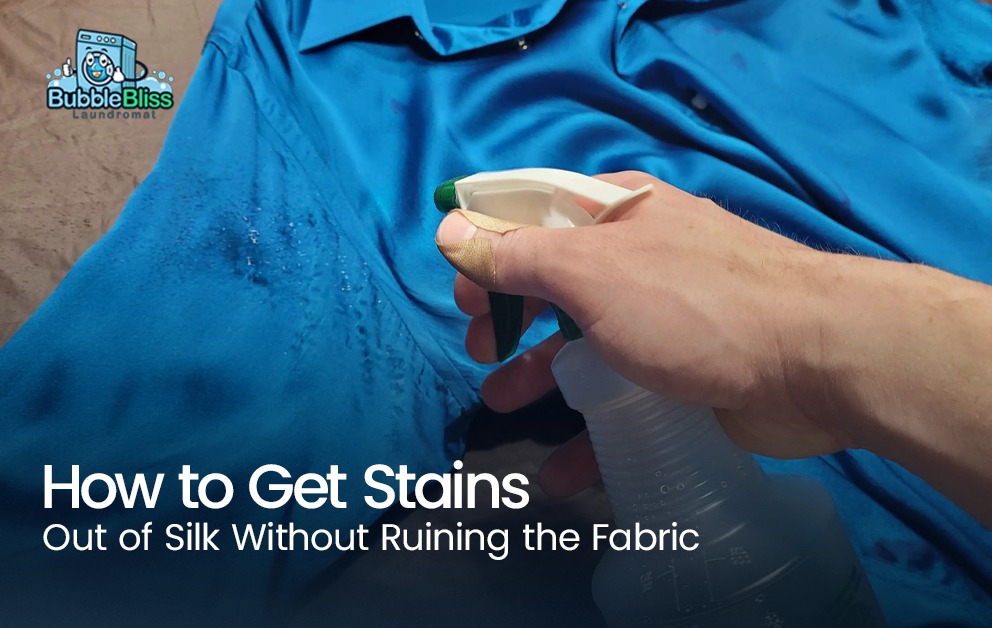
Silk represents a luxury textile category, defined structurally as a natural silk protein fiber. Understanding how to clean silk requires strict adherence to textile chemistry, as this delicate material possesses high vulnerability to heat, friction, and alkaline solutions. Stains are notoriously tricky to treat; a single incorrect motion can permanently set a blemish, transforming a $300 garment into a total financial loss.
While safe home stain removal methods exist, specific high-risk situations require professional intervention. Professional NYC dry cleaning costs range from $15 to $40 per item, making expert care highly cost-effective compared to garment replacement.
Key Silk Care Parameters
| Entity | Attribute | Value |
| Silk Structure | Fabric Type | Natural Protein Fiber |
| Vulnerability | Risk Level | High susceptibility to heat, friction, and high-pH solutions |
| Optimal Care | Best Cleaning Method | Cold water soak (maximum 30 minutes) using pH-neutral detergent |
| Critical Hazards | Worst Mistakes | Enzyme-based detergents, hot water, and wringing actions |
Why Silk Stains Are So Difficult to Remove
Silk resists standard stain removal techniques due to its delicate biochemical composition. The material consists primarily of a natural protein called fibroin, which reacts to chemical agents similarly to human hair. Exposure to high-pH detergents strips the fiber’s natural sheen, causing permanent fabric dulling.
Furthermore, silk features a perfectly smooth, tightly woven filament structure lacking natural liquid repellency. This microscopic architecture absorbs oils instantly upon contact, allowing lipids to penetrate the fiber matrix rapidly and bond chemically with the fibroin proteins. Even pure water creates visible damage; moisture causes individual fibers to swell and shift out of alignment. Irregular drying patterns subsequently freeze these misaligned fibers, altering their light reflection properties to create what the human eye perceives as a permanent water ring.
What You Should Never Do When Cleaning Silk
Maintaining the structural integrity of silk requires the strict avoidance of specific environmental and chemical hazards.
- Heat Exposure: You must never use hot water during the washing process; always maintain a water temperature strictly below 30°C (86°F).
- Physical Friction: Rubbing the fabric completely breaks the delicate filament fibers, resulting in surface pilling and permanent color loss.
- Enzymatic Chemicals: Standard laundry products, specifically enzyme-based detergents, present severe risks to the garment. Because silk consists entirely of natural protein fibers and enzymes function by breaking down proteins, these chemical agents will physically dissolve the silk fabric itself.
- Mechanical Stress: You must never wring wet silk garments, as this twisting action destroys the structural integrity of the fabric weave.
How to Get Stains Out of Silk (Step-by-Step Method)
Successful silk garment care requires a precise, five-step extraction protocol to safely process spills without setting pigments into the fibroin structure.
- Immediate Liquid Absorption: Press a dry, white paper towel directly against the fresh spill to blot the liquid, strictly avoiding any rubbing motions that could push pigments deeper.
- Temperature-Controlled Rinsing: Flush the stained area gently with cold water, as hot water permanently sets protein-based stains.
- Chemical Neutrality: Apply a specialized, mild pH-neutral detergent, such as Studio by Tide Delicate or Heritage Park Fine Silk and Wool Detergent.
- Gentle Mechanical Pressure: Lightly dab the detergent into the fabric rather than scrubbing the delicate threads.
- Controlled Drying Environment: Lay the silk garment flat on a clean towel to air dry, ensuring complete elimination of direct sunlight and artificial heat sources.
How to Get Oil Stains Out of Silk
Extracting oil out of silk requires immediate dry powder absorption rather than liquid treatments, which only spread lipid stains further. Users must apply a thick layer of cornstarch or talcum powder directly onto the oil spot to act as a capillary drawing agent. This dry method extracts lipids safely from the fibroin without mechanical stress. The applied powder must remain completely undisturbed for a minimum of 30 minutes, or up to a maximum duration of 12 hours for deep oil saturation, before gently brushing it off.
How to Get Sweat Stains Out of Silk
Human perspiration possesses an alkaline pH that degrades the delicate protein structure of silk, necessitating a targeted acid solution to remove sweat stains. You must create a precise neutralizing solution by mixing distilled white vinegar and cold water in a strict one-to-one liquid ratio. Lightly dab this vinegar solution directly onto the perspiration mark without rubbing the delicate fabric. This chemical neutralization safely dissolves the sweat stain and alkaline residue.
How to Get Water Stains Out of Silk
Pure water does not chemically stain silk, but moisture physically disrupts the delicate protein fibers, causing them to swell. Spot treating water spots on silk causes irregular drying patterns; these swollen fibers dry in an altered shape, creating visible, permanent water rings due to shifted light reflection. Removing these marks requires an even re-wetting technique where the entire garment is submerged in cold water. Users must completely avoid patch drying, dampening the entire silk item evenly before rolling it in a clean towel to extract excess moisture safely.
How to Dry Silk (The Indoor Apartment Method)
Safely drying silk requires a gentle moisture extraction process without wringing, an action that destroys the protein fibers. First, roll the wet garment inside a clean, dry towel to safely extract the excess water. Next, hang the damp silk on a stainless steel drying rack indoors. You must strictly avoid wooden drying racks, as wet silk causes untreated wood to leach dye directly into the fabric, creating permanent stains. Properly prepared silk takes exactly 1 to 2 hours to dry completely at standard room temperature.
How to Clean Silk Pillowcases Safely
Silk pillowcases frequently require cleaning to remove facial oils and skincare products. To prevent permanent fiber degradation, you must clean them using a cold water delicate cycle with temperatures at or below 30°C (86°F). Prior to washing, turn the pillowcase inside out, place it inside a protective mesh laundry bag, and apply a pH-neutral silk detergent. You must set the machine’s spin cycle to a maximum speed of 400 to 600 RPM to prevent deep wrinkle formation, and strictly avoid all fabric softeners, which leave a permanent greasy residue on the threads. Remove the pillowcase from the drum immediately after washing to prevent creasing, lay it flat on a clean towel, and allow the fabric to air dry completely.
Can You Wash Silk at Home?
While you can wash simple silk items at home, the process carries inherent physical risks. Water exposure causes natural protein fibers to swell, altering the physical structure of the textile. Therefore, you must classify your specific garment before attempting water-based cleaning. Unlined blouses and silk pillowcases generally tolerate gentle hand washing safely. Conversely, structured silk garments, such as ties with internal interlinings, or embellished gowns require professional dry cleaning exclusively. Aqueous solutions permanently distort tailored shapes, dissolve manufacturing glues holding beadwork together, and discolor plastic beads. You must also assess the dye stability of the garment, as deeply colored silks frequently lack colorfastness, necessitating a spot test prior to full submersion.
When to Avoid DIY and Choose Professional Cleaning
Professional silk cleaning prevents permanent fabric destruction, serving as the optimal choice for specific high-risk triggers. You must avoid DIY methods and seek professional care for structured ties, embellished gowns, deep oil saturation, unknown stains, or any set-in stains older than 24 hours. Furthermore, expensive garments valued over $100 dictate expert handling. Professional silk cleaning in NYC costs between $15 and $40 per garment, remaining significantly lower than a $300 garment replacement. While traditional dry cleaners use perchloroethylene (PERC) which damages delicate protein fibers, eco-friendly dry cleaners utilize D5 Liquid Silicone, a chemically inert solvent providing 100% safety for natural silk fibers.
Why Professional Silk Cleaning Is Safer
Professional dry cleaners utilize dedicated spot-treatment technicians who provide fabric-specific treatment protocols to eliminate the risk of permanent damage. Because natural silk fabrics demonstrate poor dye stability, professional cleaners perform mandatory dye testing preceding all chemical applications. Technicians employ specialized steam wands and apply targeted solvents designed specifically for protein fibers, alongside leveling agents to prevent dye migration and preserve the original garment color. By utilizing D5 Liquid Silicone, professional eco-friendly cleaning prevents the water-induced fiber swelling typical of home washing, ensuring the solvent cleans without causing mechanical abrasion or physical damage to the textile structure.
Silk Cleaning Services in NYC (Bubble Bliss Angle)
Silk dry cleaning NYC services require specialized eco-friendly technology to protect natural protein fibers from destruction. Traditional dry cleaners rely on harsh perchloroethylene (PERC) chemicals that damage delicate silk. You must utilize eco-friendly dry cleaners NYC who explicitly employ 100% PERC-free, non-toxic alternatives like D5 Liquid Silicone (GreenEarth process) or Liquid Carbon Dioxide (LCO2), which are chemically inert and physically cannot dissolve protein fibers. Bubble Bliss Laundromat provides verified eco-friendly silk garment care utilizing advanced ozone cleaning technology to eliminate 99.9% of bacteria without destructive heat.
From a cost-benefit perspective, the average dry cleaning cost NYC for silk items ranges from $15 to $40 per garment. This service remains highly cost-effective compared to replacing a ruined $300 luxury silk item. Bubble Bliss Laundromat offers convenient pickup and delivery services, alongside a 12-hour same-day turnaround option for Manhattan residents.
Delicate fabrics deserve expert care. Bubble Bliss handles silk the right way. Book your NYC pickup today.
FAQ Section
Can silk be washed at home?
Yes, you can wash silk garments at home, but the process carries a high risk of fabric damage. You must execute the cleaning process using cold water under 30°C (86°F), utilize a strictly pH-neutral laundry detergent, and never wring out the wet fabric, as wringing actions permanently destroy the delicate protein fibers.
What removes oil stains from silk?
A thick layer of cornstarch or talcum powder acts as an effective extraction agent for removing oil stains from silk garments. You must apply this powder directly onto the stain and leave it undisturbed for a minimum of 30 minutes to absorb the lipids completely before gently brushing it off.
Can I use vinegar on silk sweat stains?
Yes, you can use vinegar on silk sweat stains to counteract the damaging alkaline compounds found in human perspiration. By mixing a precise 1:1 liquid ratio of distilled white vinegar and cold water, you can dab this acidic solution gently onto the fabric to neutralize the damaging alkalinity.
Should I use enzyme detergent on silk?
Never. Silk consists of a natural protein fiber, and enzyme detergents function specifically by breaking down proteins. These enzymatic formulas will literally dissolve the silk fabric over time.
Does water ruin silk?
Cold water does not ruin silk, but spot treating does. Applying water to only one section causes irregular drying patterns and permanent water rings due to the physical swelling and shifting of the individual fibroin filaments. To prevent these permanent watermarks, the entire garment must be evenly dampened or submerged.
How long does it take for silk to dry indoors?
When properly rolled in a clean towel to remove excess moisture and hung on a stainless steel rack, drying silk takes exactly 1 to 2 hours at standard room temperature. You must never use wooden drying racks, which leach dye, or wring the fabric.
How much does professional silk cleaning cost in NYC?
The cost of professional silk dry cleaning in NYC averages between $15 (AUD 22.50 / PHP 870) for blouses and $40 (AUD 60 / PHP 2,320) for dresses. This price range makes professional garment care highly cost-effective compared to replacing a ruined $300 (AUD 450 / PHP 17,400) luxury silk item.
Is dry cleaning better for silk?
Yes, provided it utilizes “Green” eco-friendly methods. Traditional dry cleaners use harsh perchloroethylene (PERC) chemicals that cause severe damage to delicate natural protein fibers. Eco-friendly methods, such as those provided by Bubble Bliss Laundromat, use D5 Liquid Silicone, which remains chemically inert and 100% safe for protein-based textiles.